This winter, metro Detroit has faced unusually frigid temperatures, averaging more than 10 degrees Fahrenheit below previous years. While Michigan winters are filled with sledding, skating, and other sports activities, this season’s extreme cold has kept many Michiganders indoors. For students, the freezing temperatures have done more than just limit their outdoor plans, as metro Detroit schools have seen the most closings in years, and for most, during their final exam weeks.
But the impact of this cold front has stretched far beyond Michigan. Across the Midwest and into parts of the South and Northeast, cities have experienced record-breaking lows, dangerous wind chills, and repeated winter storms. While Michigan has infrastructure designed for these conditions, other places aren’t so lucky. In Oxford, Mississippi, an ice storm in late January completely devastated the town and forced the University of Mississippi to cancel school for two weeks. Even in northern cities like New York, mayors are reporting deaths due to hypothermia. In sum, there is no doubt that this winter has been extremely harsh, not just in Michigan, but across the nation.
Experts have drawn several conclusions as to what makes this year so special. The most common belief is that this winter’s extreme cold is largely caused by changes in the polar vortex, a large area of low pressure and cold air surrounding the North Pole. Usually, the vortex stays contained in the Arctic, but this year, it weakened, causing cold air to escape throughout North America. Scientists also point to shifts in jet streams, which direct weather patterns across the country. When jet streams get too far south, they bring cold air with them, which is exactly what the United States is experiencing right now. While climate change does not directly cause a cold snap, it does make weather patterns more extreme and less predictable, contributing to heat waves, cold spells, and storms.
In Bloomfield Hills, students say the constant schedule changes have been one of the biggest frustrations. Snow days, which are usually welcomed, felt different when they interrupted final exam week.
“It really stressed me out with the schedule changing over and over again,” said senior Sloane Popov. A typically four-day process took over a week to complete, which began to interfere with the start of the second semester.
When asked about his finals experience, Cameron Harris stated, “It’s nice to have a break, but I was kind of ready to just get my finals over with, and it felt like the semester was never going to end.”
For many, the unpredictability was more frustrating than the work itself.
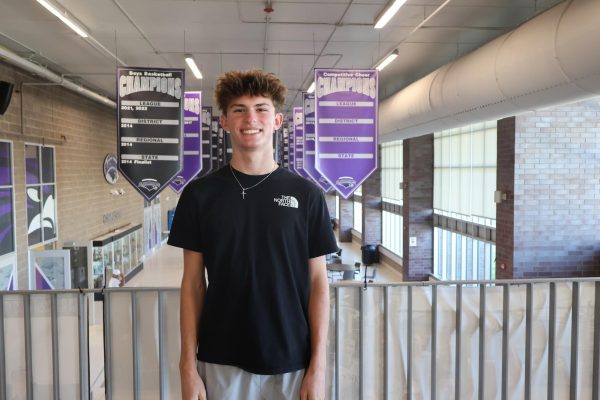
Additionally, students at our school say that the extreme cold has made a noticeable impact on their daily lives. Ari Melamed said the temperatures have “really hindered” him from leaving the house, while Cameron Harris described the winter as “kind of rough” and stated he is simply “ready for spring.”
Sloane Popov shared that the lingering cold has been “really upsetting” because she looks forward to spending time in warm weather at some of the many lakes in Bloomfield. When asked about the weather’s effect on their motivation, responses were mixed, but leaned towards the cold having a negative effect.
Popov and Harris both said gloomy, freezing weather makes it harder to feel productive and easier to stay inside, while Melamed said he makes a strong effort to stay disciplined despite the conditions.
As temperatures remain low as we push through February, students and the community continue to feel the effects. While everyone seems to love a snow day every once in a while, this year’s subzero temperatures have demonstrated how severe weather can affect routines, lower motivation, and impact local communities more than initially expected. For now, metro Detroit, along with much of the country, will continue waiting for the first signs of spring.