The NFL is at the height of its success, earning more than $23 billion in revenue last year, launching its 106th season. However, the league still struggles with an ongoing crisis over injuries, particularly to the brain, an issue the league has been slow to address. The answer, it seems, is flag football.
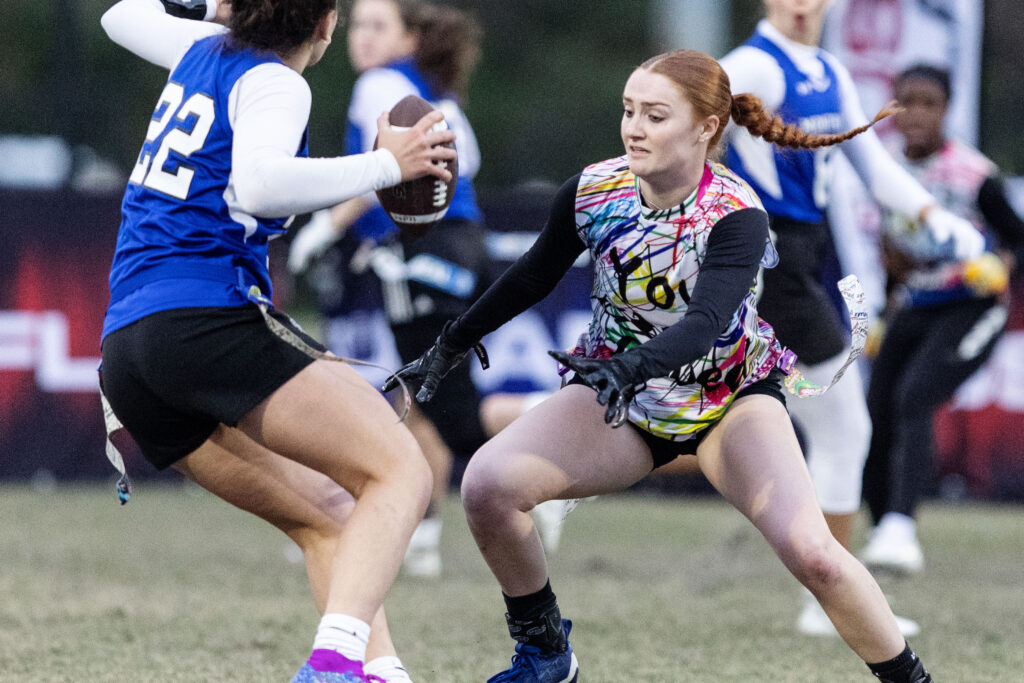
Flag football, once just a playground game, is stepping into the spotlight. This non-contact format of football captures the strategy and speed of football without the life-threatening collisions. Flag football appeals to budget-conscious schools and clubs since it requires far less equipment than tackle, making it much cheaper to organize and maintain. These factors are fueling its global growth, said Diane Beruldsen, president and founder of the International Women’s Flag Football Association. Beyond accessibility, women’s flag welcomes players of all ages and body types, which helps broaden its appeal. At 66, Beruldsen still plays. “It’s not brute force,” she said. “It’s strategy and finesse.”
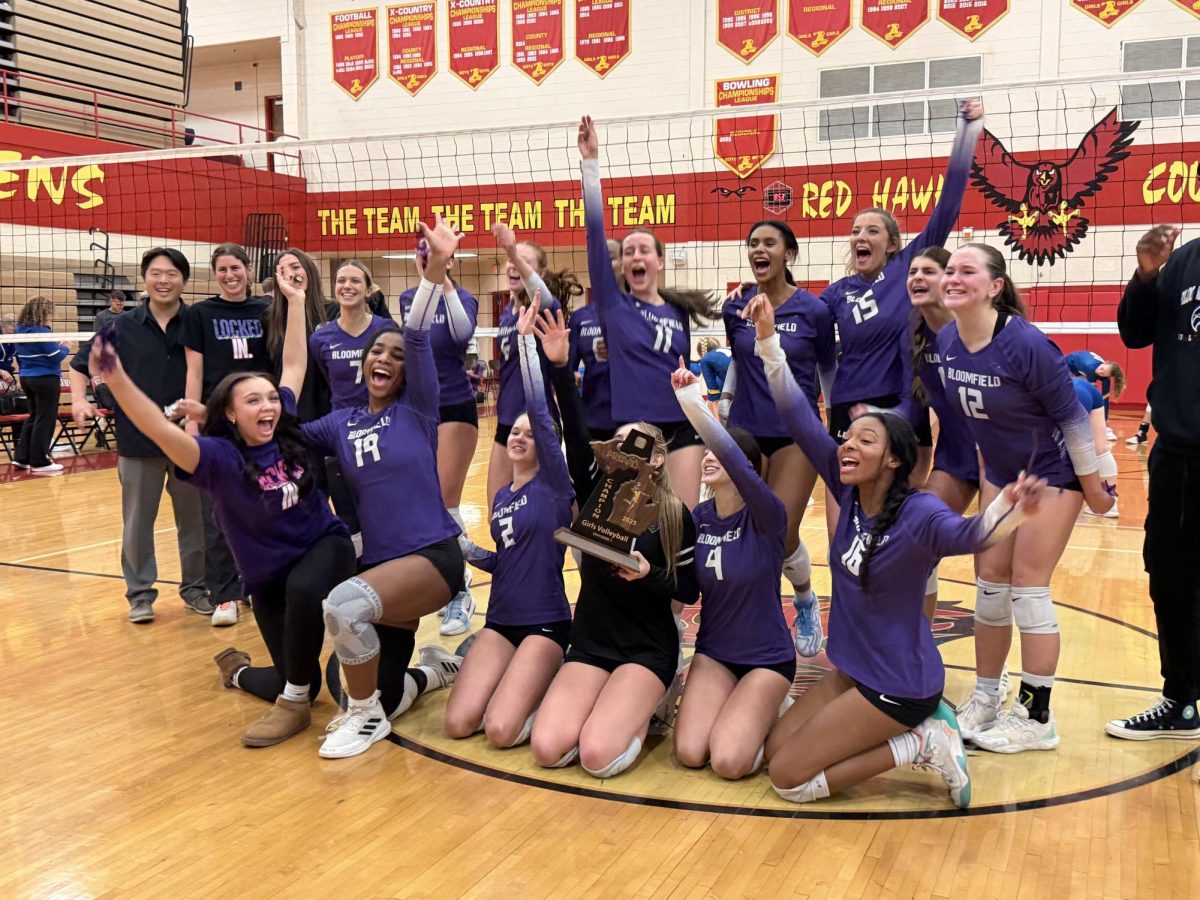
Flag football is opening doors for players who were previously excluded, such as women and younger athletes. It gives girls a unique opportunity to play football, a quintessential and predominantly a male sport. Seventeen states, including California, New York, and Florida, now offer girls’ flag football as a varsity sport, and the NFL’s “Flag 50” initiative aims to make it official across all 50 states. Participation among boys is rising as well. Flag football organizations have existed for years, but the sport has never come close to matching tackle football’s participation levels. But that may be changing. “The future of the game of football is flag,” said Troy Vincent, the NFL’s executive vice president of football operations.
Flag football’s rise marks a major victory for female athletes, but also a smart business move for the NFL. The league has long sought to broaden its appeal to women, though it has faced scrutiny over its handling of domestic violence cases among its players and cheerleader lawsuits involving harassment and wage theft. With women’s sports now surpassing $1 billion in global revenue, flag football presents a huge opportunity for growth.
“We’re dedicated to creating professional flag football leagues for both women and men,” said Commissioner Roger Goodell. Goodell noted that roughly 20 million young athletes now play flag football worldwide, a number that’s rapidly increasing, with women’s participation driving much of that growth.
“We’re seeing colleges in the United States and internationally that want to make (flag football) part of their program,” Goodell said. “If you set that structure up where there’s youth leagues, going into high school, then college, you can develop a system of scale, and it’s an infrastructure we need to create.”
At least 65 colleges, primarily within the NCAA, offer women’s flag football at the club or varsity level, with the number expected to grow significantly. While there are existing scholarship opportunities through programs like those in the NAIA and NJCAA, the NCAA’s recommendation to add flag football as an “emerging sport” is projected to expand to over 100 college programs and roughly 2,000 scholarship opportunities by 2028. Over the past two years, the Atlanta Falcons have hosted a girls’ flag football showcase with recruiters from the NAIA.
NFL stars are playing a key role in promoting the growth of flag football. Minnesota Vikings receiver Justin Jefferson has been active in helping the league expand its reach, and Eagles quarterback Jalen Hurts appeared in a campaign promoting the sport’s upcoming Olympic debut in the 2028 Los Angeles Games. Las Vegas Raiders minority owner and seven-time Super Bowl champion Tom Brady announced his participation in a global flag football event, The Fanatics Flag Football Classic, set for March 21, 2026. He will play alongside former teammate Rob Gronkowski and current NFL standouts like receivers Tyreek Hill and CeeDee Lamb, running backs Saquon Barkley and Christian McCaffrey, and defensive lineman Myles Garrett and Maxx Crosby.
Few expect flag football to overtake tackle football under Friday night lights or in packed college stadiums, but it’s redefining what the future of the sport can look like.